

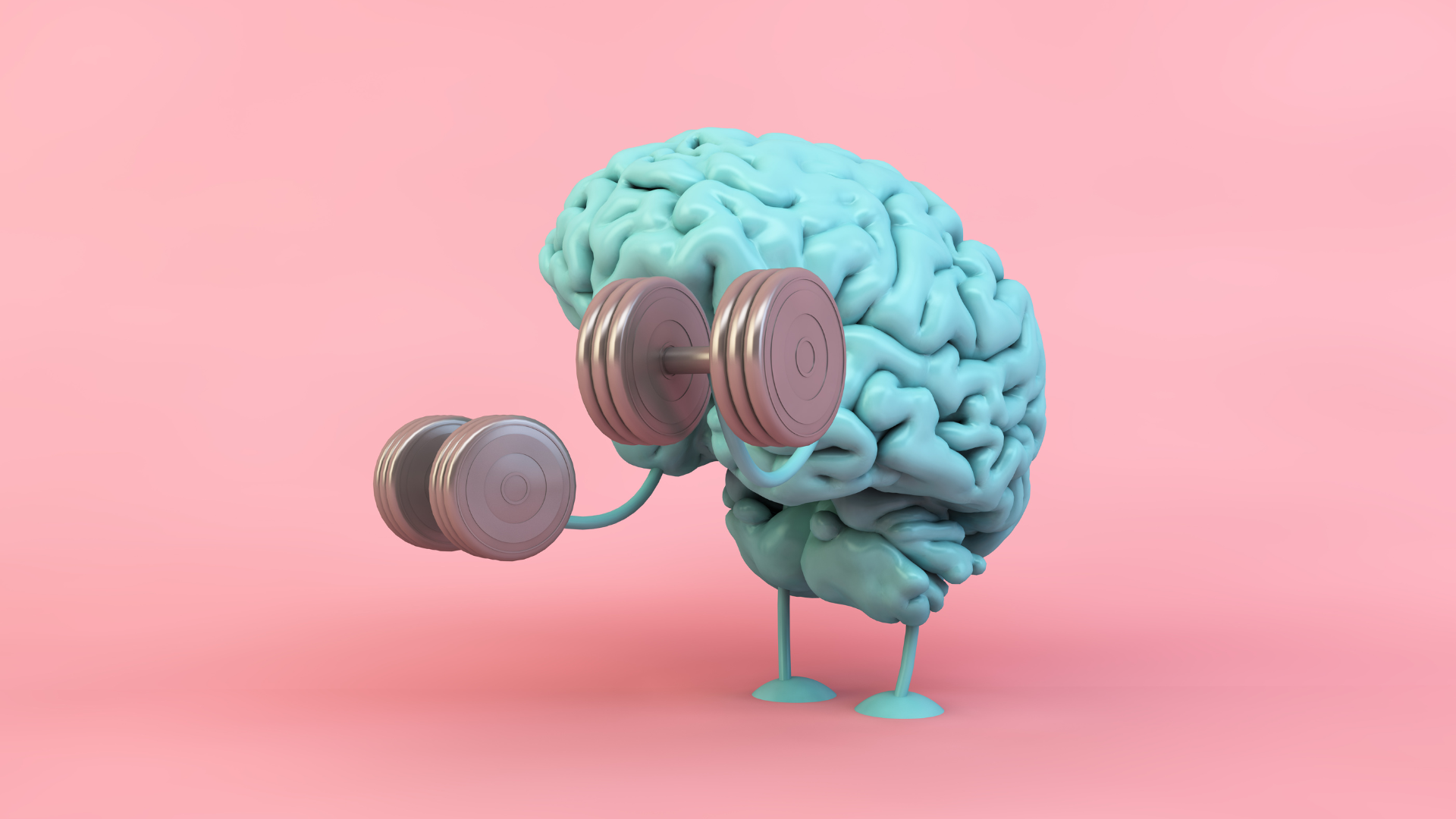
“Think of it as the protein shake that fuels your fitness journey, but for your mental health instead”
Having therapy is a bit like maintaining a regular workout routine; consistency is key. So, let's have a chat about why, when it comes to counselling, regular weekly sessions might be more beneficial than monthly ones.
Before we dive into the gym of emotions, let's flex our understanding of the statistics. According to recent data, approximately 20% of UK adults experience symptoms of depression or anxiety. That's one in every five people navigating challenging mental health terrain.
Why Weekly Sessions are Like Regular Workouts:
1. Consistency Builds Strength (just like exercise): Think of your emotional well-being as a muscle. You wouldn't expect to get fit by hitting the gym once a month, right? Similarly, weekly counselling sessions, provide consistent support that helps you build emotional resilience over time.
2. More Time to Sweat It Out (emotionally speaking): Life is a bit like a workout; sometimes, it needs an extra set. Weekly sessions allow us to delve deeper into your thoughts and feelings, just like doing those extra reps at the gym, if you partake and if not, then it’s like doing any exercise. We can work on issues as they arise, helping you feel emotionally fitter.
3. It's Like Having a Personal Trainer (your therapist): Picture your therapist as that trusty personal trainer, always ready to guide you on your fitness journey. With weekly sessions, you have regular access to support, much like having a trainer there to motivate and assist you.
4. Less Chance of Cooling Down (your progress): Progress is best when it's consistent, and the same goes for your emotional development. Weekly sessions prevent your emotional growth from cooling down, much like maintaining a consistent workout schedule keeps your fitness gains intact.
The Benefits of Receiving Counselling:
Now, let's consider the overall benefits of counselling, whether it's weekly or monthly. Think of it as the protein shake that fuels your fitness journey, but for your mental health instead:
Enhanced Mental Well-being: Counselling helps you manage stress, anxiety, and depression, promoting better mental health. It's like the protein that fuels your mental fitness.
Effective Coping Strategies: Just as a well-balanced diet complements your workouts, counselling equips you with practical coping strategies for life's challenges.
Improved Relationships: Like working out to build strength, counselling can strengthen your relationships by promoting better communication and understanding.
Greater Self-Understanding and awareness: Counselling allows you to explore your thoughts and feelings deeply, helping you gain insights into yourself and your behavior.
There is also something important about momentum. When sessions are spaced too far apart, life has a habit of rushing back in and filling the gaps. Weekly counselling creates a rhythm. It becomes a steady checkpoint where you can pause, notice what is building up, and adjust before things feel overwhelming. In fitness terms, it is the difference between training with intention and only exercising when you put on weight.
Weekly therapy also supports your nervous system in a very practical way. When we meet regularly, your body begins to recognise the therapy space as safe, predictable, and containing. That sense of safety allows deeper work to happen more naturally. You are not spending half the session getting warmed up or trying to remember where you left off. Instead, we can pick up the thread quickly and stay with what really matters. Over time, this builds trust not just with your therapist, but within yourself.
Another benefit is accountability, and not the shouty bootcamp kind. Gentle, compassionate accountability. When you know you are returning to the same space each week, you are more likely to notice patterns, try out new approaches, and reflect honestly on what is working and what is not. Just like in fitness, progress is rarely about dramatic breakthroughs. It is about small, repeated adjustments that add up to meaningful change.
It is also worth naming, that weekly therapy is not about staying in therapy forever. Quite the opposite. Consistent sessions often help people move through difficulties more efficiently and with greater clarity. You build skills, confidence and self-awareness that you then carry forward independently. Many people find that after a period of weekly work, they naturally step down to fortnightly or monthly sessions when life feels a bit easier. The foundation has been laid.
At its heart, counselling is an investment in yourself. Not because you are broken or failing, but because you are human. Life puts strain on us all and having a regular space to process, reflect and recalibrate can make the difference between surviving and actually feeling grounded in your own life.
So if you are considering therapy and wondering how often to come, it may help to think less about crisis management and more about training for long-term wellbeing. Weekly sessions offer continuity, depth, and support that allow real change to take root. Much like fitness, the results come not from one intense session, but from showing up, again and again with care and intention.
So, whether you see your therapist every week or once a month, remember that seeking support is like maintaining a regular workout routine or stepping out for a good stroll – it's all about finding what suits your goals and needs. If you prefer a weekly session to keep your emotional fitness in check, go for it. After all, counselling is your emotional gym, always ready to help you lift the weight of life's challenges.
